All Categories
Featured
Provided the structure of supply-chain, warehouse and distribution center layouts, a lot of decision-makers prefer to see them in-person when surveying areas for acquisitions, growths and sales, in addition to first-hand observations of operations. We anticipate we will see an increase in mid-market mergers and acquisitions in the supply-chain and logistics segments as 2021 opens up, providing people can get out and satisfy one another to get them done.
Bridging the Offline-Online Divide Utilizing Modern Apps
Clients wanted to remain safe during the pandemic while still consuming, drinking and mimicking their preferred social activities. Food organizations are a best example of how these practices are here to stay. In 2021, clients will buy more shipment than ever in the past. Now that clients are comfy with delivery, expect them to increase their frequency throughout markets.
And when clients are familiar with buying shipment in basic, expect them to begin purchasing in new locations too, specifically following a favorable delivery experience. In food shipment, this will lead to organizations enhanced for delivery, like combo cooking areas or non-traditional preparation areas. Sellers will adjust in other locations, too, favoring low-rent choices such as micro fulfillment centers that stress deliverability over a store.
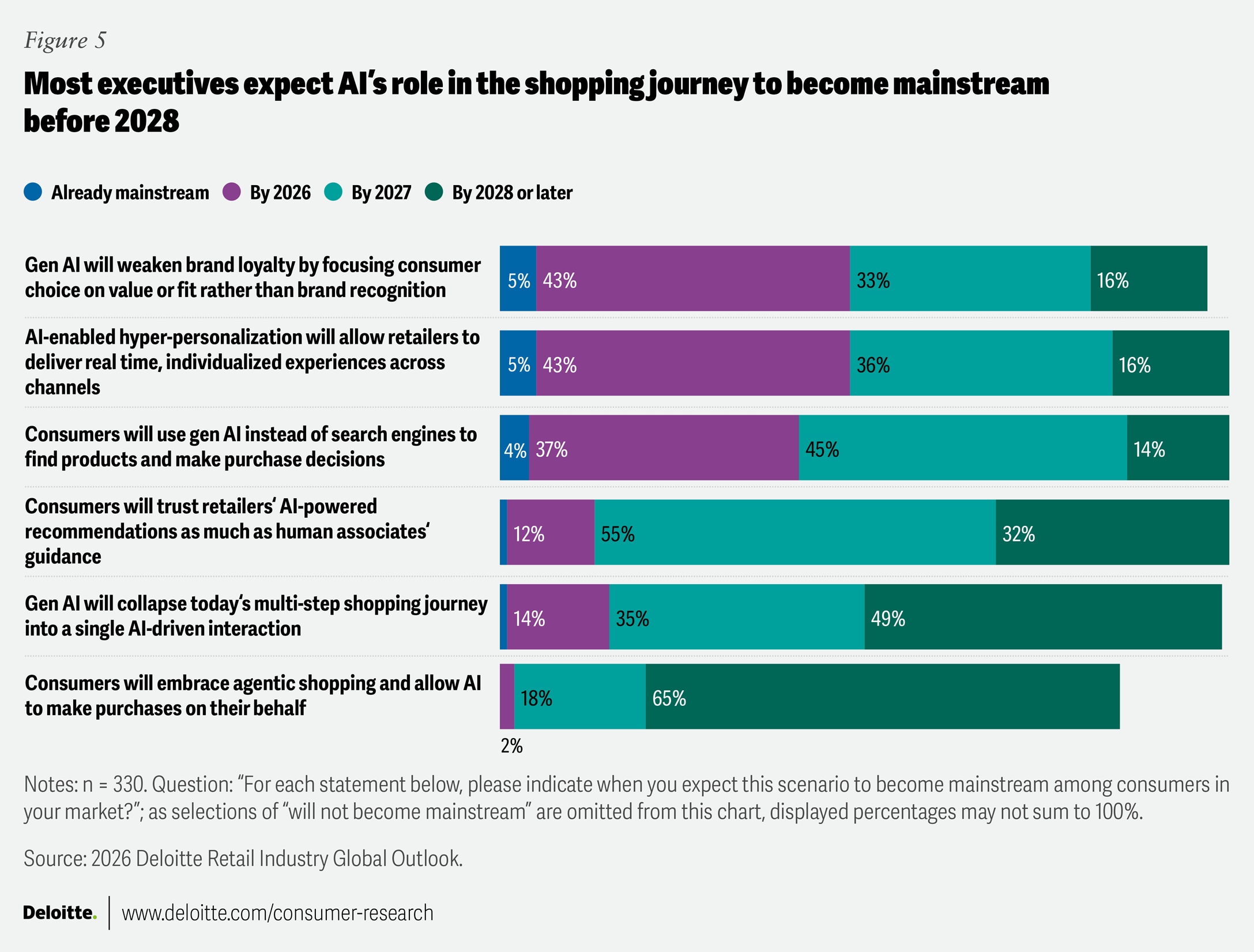
Building Seamless Omnichannel Distribution Strategies for 2026
As the need for shipment speeds up, the value of delivery automation increases too. In 2021, anticipate to see small movements towards automation, such as increased funding for drones and autonomous lorry business. That said, these shifts are likely to be small. The opportunities are promising, but the difficulties are large.

Latest Posts
How Smart Inventory Tools Optimize Multi-Channel Operations
Real-Time Data Synchronization across Various Sales Channels
Steps to Design a Resilient Logistics Network